

2026 New Year Play Reset Guide: Playroom Storage and Toy Organization Made Simple
🔔 Introduction — A Fresh Start for Play, Right After the Holidays
With a few intentional toy declutter ideas, a simple toy rotation system, and a light, child-friendly minimalist play setup, everyday play can become calmer, more focused, and far more joyful — without buying more or striving for perfection. 🌿🧸
✨ Step One — Decluttering Toys with Intention, Not Stress
A helpful way to begin is simply by observing. Watch how your child plays during a normal day. Which toys do they reach for again and again? Which ones sit untouched, quietly blending into the background of the playroom? These small clues often reveal more than any strict rule ever could.
💛 A Gentle Three-Group Approach 💛
-
Keep — Toys that match your child’s current interests and are played with regularly.
-
Store — Toys that still have value, but are better saved for later rotation.
-
Outgrown — Toys that no longer fit your child’s abilities or curiosity.
This approach supports practical toddler organization tips and offers clear toy declutter ideas — without the pressure of “throwing things away” or making rushed decisions.
💛 Making Space with Care 💛
Outgrown toys often carry memories, especially for young children. Turning this step into a warm, respectful moment — donating toys together through a local toy drive, passing them on to younger friends, hosting a small backyard sale, or simply saying goodbye — helps children understand that change doesn’t mean loss.When kids take part in choosing where their toys go, they begin to see decluttering not as something being taken away, but as a way to share joy, make room, and grow into their next stage of play. 🎗👼
As the space begins to open up, many parents notice something unexpected. When toys are easier to see and reach, children often feel calmer, more focused, and more confident choosing how to play. This becomes the foundation of a truly minimalist play setup and long-term playroom organization — one that feels open, inviting, and supportive rather than empty or restrictive. 🌿

✨ Step Two — Refreshing Play with a Simple Toy Rotation System
When too many toys are visible at once, children can feel overstimulated. They may move quickly from toy to toy, unsure where to settle or how to stay engaged. A thoughtful toy rotation approach solves this by creating focus and clarity — without taking away variety or fun.
💛 How Toy Rotation Works in Everyday Life 💛
-
Keeping only a limited number of toys visible at one time (a key part of smart toy storage ideas).
-
Rotating toys by type of play, rather than by quantity.
-
Refreshing the setup every few weeks, not every few days.
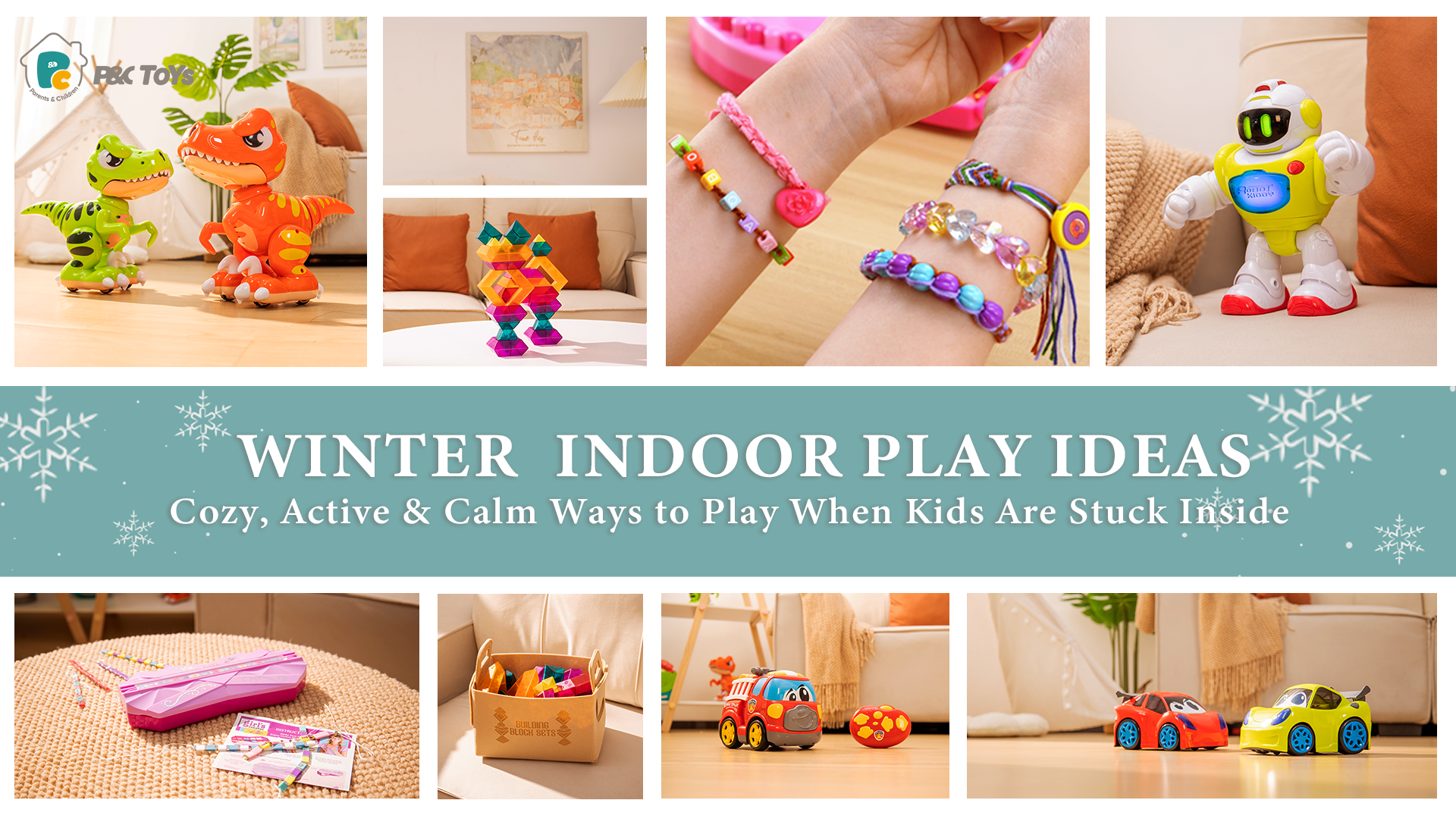
For example, a play space might include one building activity such as translucent building blocks, one pretend-play set like dinosaur toys, one movement toy like RC cars for toddlers, and one creative option such as creative toys or simple bracelet kits. Every 2–4 weeks, swapping just one category can make the entire organized play space feel new again — without adding more toys or extra effort.
💛 Why Children Respond So Well 💛
For parents, a toy rotation system often means less mess, fewer clean-ups, and a calmer daily rhythm. Over time, this approach naturally supports a minimalist play setup — one that keeps play engaging, emotionally satisfying, and easier to maintain for the whole family. 🌿

✨ Step Three — Creating a Light-Education Focus Corner
This isn’t a study desk or a structured learning zone. Instead, it’s a low-pressure area inspired by a Montessori playroom setup, where independence and curiosity guide play.
💛 What Makes a Focus Corner Feel Right 💛
-
Low shelves or baskets children can access independently.
-
Clear categories, with one type of play per container.
-
Fewer items on display, rotated intentionally.
-
Easy clean-up, so the space resets naturally.
Activities like building, sorting, simple puzzles, or creative play fit beautifully here. They support focus, problem-solving, and confidence — without feeling like “learning time.” Parents often find this setup encourages deeper play and supports practical toddler organization tips that grow with their child. 🌿

🧸 How Thoughtful Toys Fit Naturally into Play Rotation
-
Building toys often become long-term favorites in the focus corner, supporting repeated learning through play.
-
RC or movement toys work well as rotation highlights, bringing renewed excitement and physical energy when reintroduced
-
Creative kits fit best into quiet afternoons or weekends, keeping creativity intentional rather than chaotic.
Used this way, toys for toddlers feel meaningful without overwhelming the home, even when playroom storage is limited. Play becomes something children look forward to — rather than something parents need to manage constantly.
💛 Closing — Less Clutter, Deeper Play, Better Days