

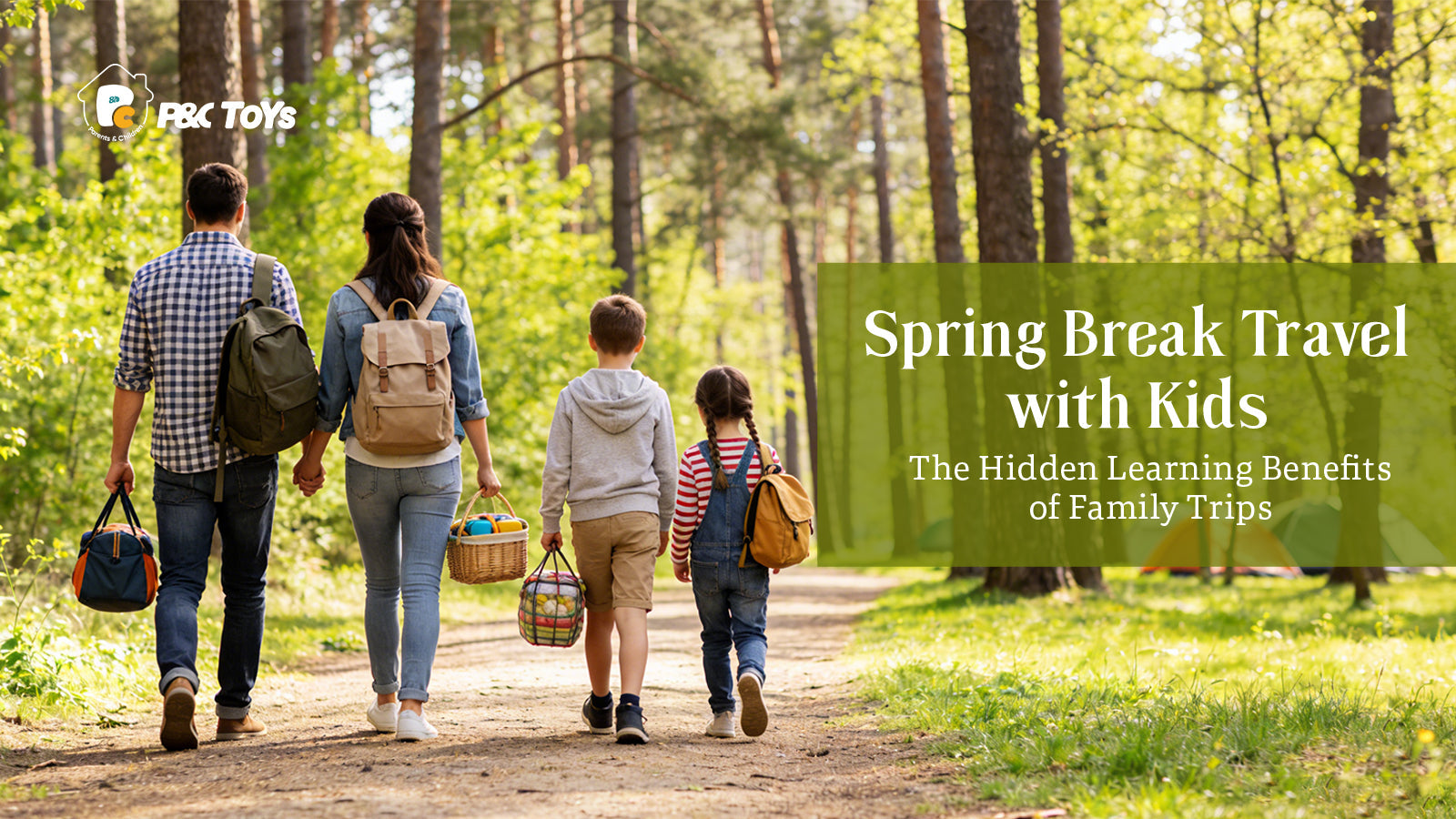
Spring Break Travel with Kids: The Hidden Learning Benefits of Family Trips
🌸 Why Spring Break Travel Is a Real-World Classroom
Spring break travel with kids often means stepping away from school schedules, packed calendars, and the familiar rhythm of everyday life. For many families, it’s a chance to explore somewhere new — even if it’s just a short road trip or a weekend getaway.
But for young children, travel is more than a vacation. New places, new routines, and unexpected moments all create opportunities for learning through travel. Raising Children Network notes that travel can affect children’s sleep and daily routines, and that a balance of flexibility and familiar structure can help them adjust more smoothly to being away from home.
That’s part of why many parents start noticing the deeper benefits of traveling with kids. A trip can become a real-world classroom where children practice independence, adaptability, and emotional resilience — all while having fun together. ✈️
🌍 How Travel Helps Kids Adapt, Explore, and Grow
Once spring break travel with kids begins, children naturally step outside their usual routine. Meals happen differently, bedtime may shift, and even simple things like moving through an airport or staying in a hotel can feel new.
For toddlers and young children, those changes can become real-life practice in teaching adaptability to kids. New places, sounds, and routines encourage curiosity, while small responsibilities — like carrying a little backpack, choosing snacks, or helping spot signs — help build confidence along the way.
Some of those learning moments happen naturally during a trip:
-
navigating a busy airport or train station
-
adjusting to a different schedule or time zone
-
exploring unfamiliar parks, streets, or museums
-
completing small tasks in a new environment
These experiences gently stretch a child’s comfort zone. Instead of learning through formal lessons, children gain confidence through real-world exploration — which is part of what makes the benefits of traveling with kids so meaningful. ✈️

🌤 Travel Challenges and Emotional Growth
Of course, travel also comes with challenges. Flights get delayed, long drives can feel endless, and routines don’t always go as planned. But those harder moments are part of the experience too — and they can support building resilience in kids.
Psychology Today notes that young children may experience travel and time away from home as disorienting or upsetting, which is one reason tantrums can become more frequent during or after a trip. That’s why kids’ emotional regulation on vacation often needs extra support, not extra pressure.
Some common travel challenges might include:
-
waiting longer than expected at the airport
-
feeling overtired during a long car ride
-
adjusting to a different sleep schedule
Sometimes what looks like a meltdown is really sensory overload. In those moments, familiar comfort items, quiet connection, and a slower pace can go a long way in dealing with travel tantrums.
When children see adults stay calm and responsive, they begin learning how to move through stress with support. That’s part of what makes travel such a meaningful setting for emotional growth.
🧳 Packing Smart: A Few Familiar Toys Go a Long Way
When it comes to family trips, the best travel toys aren’t always the newest ones — they’re often the ones your child already knows and enjoys. Familiar toys can bring comfort in unfamiliar places, help smooth transitions, and make travel days feel a little easier for everyone.
That’s why spring break travel toys can be so useful. A small set of familiar, thoughtfully chosen items can support calmer moments, easier waiting, and more flexible play throughout the trip.
One simple way to pack is by travel stage:
-
For planes or trains: choose quiet travel activities that are easy to hold and repeat, like a small blocks set, simple puzzles, or a busy bag for toddlers. For younger children, a favorite plush toy can also work as a comforting anchor item. For older kids, things like bracelet-making kits or other hands-on mini crafts can make great screen-free travel ideas. These kinds of airplane toys for kids and quiet play options help keep kids engaged without adding too much noise or mess.
-
For outdoor stops or camping: RC toys can add instant fun and make it easier for kids of different ages to play together. Toddler-friendly remote control toys work well for younger children, while RC cars for preschoolers or school-aged kids can bring even more excitement and social play outdoors.
-
For road trips and springtime breaks: if you’re driving, bubble toys are easy to bring along and especially fun during outdoor stops. A bubble wand or bubble machine can quickly turn a grassy stop into one of those simple road trip activities for kids that gets them moving, laughing, and enjoying nature.
A few well-chosen toys can support compact travel play and make the trip smoother, but they don’t need to do all the work. The toys are there to support the journey — not replace the experience of travel itself.

🧭 Turning Travel Moments Into Learning Opportunities
That’s where the deeper value of family travel comes in. Toys can help support the rhythm of the trip, but the most meaningful parts often come from the experience itself.
Parents don’t need to turn travel into a lesson plan for it to become meaningful. The key is simply letting kids participate. Small moments during the trip can naturally become part of learning through travel:
-
asking children to help find the correct gate at the airport
-
letting them count floors in a hotel elevator
-
encouraging them to notice new sounds, foods, or signs
These moments help children feel included rather than simply carried through the journey. It also helps to leave some open space in the schedule. When trips are packed too tightly, kids can feel overwhelmed. A slower pace makes more room for curiosity, participation, and shared discovery.
Once expectations soften, travel often feels easier for parents too. Instead of chasing a perfect vacation, the focus becomes connection, exploration, and the small moments that children often remember most.
🌱 Bringing Travel Lessons Back Home
When the trip ends, children often return home with new confidence and memories.
Maybe they remember helping carry their backpack through the airport. Maybe they proudly talk about exploring a new playground or helping order food at a restaurant.
These moments can shape everyday habits long after the trip is over.
Parents can continue supporting growth by extending some of the same responsibilities at home. For example:
-
Letting children pack their own small bag for outings
-
Encouraging simple choices during daily routines
-
Keeping outdoor exploration part of family life
These habits help reinforce the lasting benefits of traveling with kids.
Returning home may also require some adjustment. Re-establishing a post-vacation routine for kids — such as familiar bedtime rituals or regular meal schedules — helps children settle back into daily life.
Over time, travel becomes more than a temporary adventure. It becomes a meaningful experience that strengthens family connection, builds resilience, and encourages curiosity about the world.
And sometimes, the greatest lesson children learn from travel is simply this: the world is full of exciting places to explore — especially when we explore it together.
✨ Create Infinite Fun Together.
Q&A
Q1. Does traveling help a child's development?
A: Yes — travel gives children real-life chances to practice flexibility, independence, and problem-solving in new environments. That’s part of why many parents notice the long-term benefits of traveling with kids, even when the trip itself feels a little messy.
Q2. Why is travel good for toddlers even if they won't remember it?
A: Toddlers may not remember the destination, but their brains are still learning from the experience. New routines, sensory input, and emotional support during travel can all contribute to learning through travel and early emotional growth.🌱
Q3. How to deal with toddler tantrums on vacation?
A: Travel tantrums are often linked to fatigue, hunger, or sensory overload in unfamiliar places. Familiar comfort items, flexible expectations, and quiet breaks can go a long way in dealing with travel tantrums and supporting kids emotional regulation on vacation.
Q4. How to travel with a toddler without going crazy?
A: Try lowering the pressure to create a “perfect” vacation and focus more on pace, connection, and simple routines. A few familiar toys, snacks, and breaks can make spring break travel with kids feel much more manageable.
Q5. How to keep a 3-year-old busy on a plane without screens?
A: Repetitive hands-on play usually works best, especially during takeoff, waiting, or longer quiet stretches. Small puzzles, sticker books, mini crafts, or other screen-free travel ideas can help keep a 3-year-old engaged without adding too much mess.
Q6. How to get kids back on schedule after vacation?
A: Start by bringing back familiar meal times, bedtime rituals, and a calmer daily rhythm. A gentle post-vacation routine for kids works best when it feels predictable, while still carrying over some of the independence they practiced during the trip.